When Does a Dog Become a Senior? A Breed-and-Size Guide
Dogs don't all age at the same speed — a Great Dane is a senior years before a Chihuahua. Here's when your dog crosses into their senior years, by size and breed, and what changes when they do.
“Senior” is one of the most misunderstood words in dog care. Most owners picture a grey muzzle and a slow walk — but by the time those show up, your dog has usually been a senior for a year or more. And here’s the part almost nobody gets told: dogs don’t all age at the same speed. A Great Dane can be a senior at six. A Chihuahua might not be one until eleven.
Getting the timing right matters, because the senior transition is when the small, catchable problems start — and the window to catch them early is exactly the window most people miss.
The single biggest factor: size
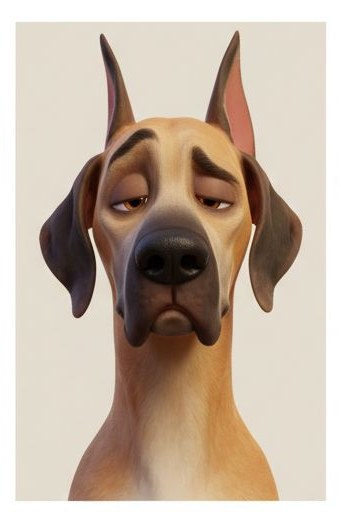
If you remember one thing, remember this: the bigger the dog, the sooner they age. It’s counterintuitive — big animals usually live longer — but in dogs the opposite is true within the species.
Here’s a rough map of when each size crosses into senior territory:
- Small (under 20 lb) — senior around 10–12 years. Chihuahuas, Yorkies, Dachshunds, many Frenchies.
- Medium (20–50 lb) — senior around 8–10 years. Beagles, Cockers, Border Collies.
- Large (50–90 lb) — senior around 7–8 years. Labs, Goldens, German Shepherds.
- Giant (90+ lb) — senior as early as 5–6 years. Great Danes, Mastiffs, Newfoundlands.
A six-year-old Mastiff and a six-year-old Pomeranian are in completely different chapters of life. Treating them the same is how owners miss things.
Not sure where your dog lands? Our dog age calculator converts their age to human years by size and tells you their current life stage in one tap.
Breed changes the picture too

Size sets the baseline, but breed fine-tunes it. Some breeds are simply longer-lived than their size suggests, and many carry specific conditions that tend to surface right around the senior transition.
A few examples of what that looks like in practice:
- Golden Retrievers — watch for lumps and joint stiffness; cancer and hip issues are breed-common and worth screening early.
- German Shepherds — degenerative myelopathy and hip dysplasia mean rear-end weakness deserves immediate attention.
- Cavalier King Charles Spaniels — heart murmurs (mitral valve disease) often begin in middle age, so listen early and often.
- Dachshunds — back and disc problems make any change in how they jump or climb a real signal, not a quirk.
This is why “your dog is 8, so do X” advice falls flat. The right move depends on your dog’s specific breed and build.

What actually changes at the senior transition
The earliest signs of aging are the quiet ones — and they hide in plain sight:
- Sleep shifts. Sleeping more, or restlessness at night.
- A pause at the stairs. A half-second hesitation before a jump they used to make without thinking.
- Subtle appetite changes. Eating a little slower, or less.
- Cloudier eyes, greyer muzzle. Cosmetic, but a useful clock.
- Less interest in play that used to light them up.
Caught early, most of these are manageable for years. Missed, they tend to show up late — when there are fewer good options left. The whole game at this age is noticing.
What to do once your dog is a senior
You don’t need to overhaul their life. A few shifts go a long way:
- Move to twice-yearly vet visits. A year is a long time in a senior dog’s life — roughly equivalent to several human years.
- Get a baseline blood panel. Bloodwork while they’re healthy gives the vet something to compare against later. This is the single most useful thing you can do.
- Watch the weight. Extra pounds hit aging joints hardest. Small, consistent matters more than dramatic.
- Keep them moving — gently. Shorter, more frequent walks beat one long one. Movement protects joints and mind.
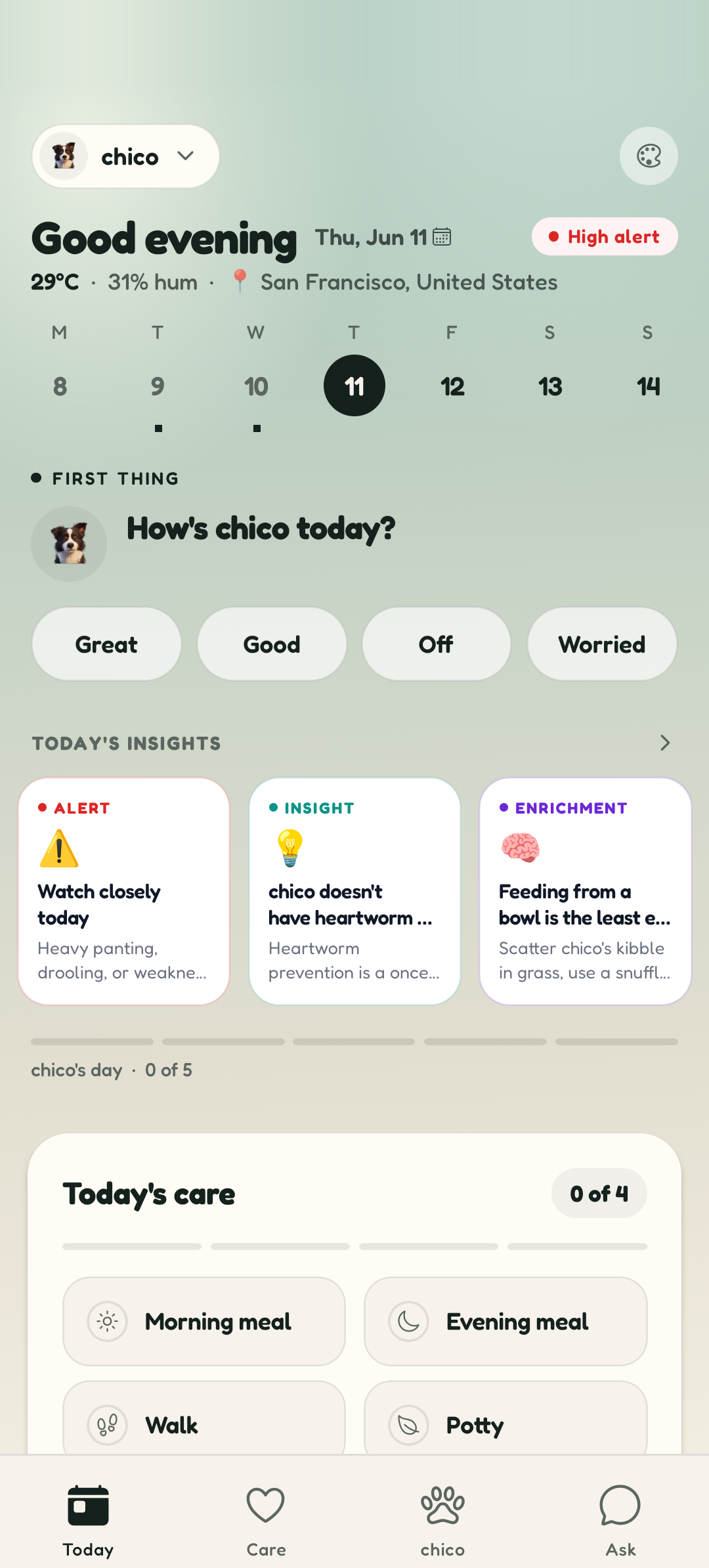
- Track the small stuff. A simple daily note on energy, appetite, and mobility turns “I think he’s been a bit off” into a clear timeline your vet can actually use.
The takeaway
Your dog became a senior on their own schedule — set mostly by their size, then tuned by their breed. Knowing roughly when lets you start watching for the quiet signs before they become loud problems. That head start is worth more than any single piece of advice.
Pawsho figures out your dog’s exact life stage from their breed, size, and age — then surfaces the specific things worth watching for, week by week. The daily check-in takes five seconds and quietly builds the health timeline you’ll be glad you kept. Get the app and meet your dog.