How Cold Is Too Cold for Dogs? A Size, Coat, and Age Guide
The honest answer isn't one number. Here's how cold is too cold for your dog — by size, coat, and age — with clear thresholds for walks and vet red flags.
The temperature drops, your dog stands shivering at the door, and you’re left guessing: is this walk fine, or are you putting your dog at risk? Every website seems to give one magic number — and then your Husky wants to nap in a snowbank while your Chihuahua won’t stop trembling.
That’s the problem. There is no single “too cold” temperature that fits every dog. A thick-coated giant and a tiny short-haired companion live in completely different weather at the exact same reading on the thermometer.
Here’s the quick verdict, using the temperature bands vets commonly work from: most dogs are comfortable above 45°F (7°C). Below 32°F (0°C), small, thin-coated, young, old, or sick dogs start to feel it and need protection. Below 20°F (-7°C), cold becomes genuinely dangerous for vulnerable dogs, and even hardy breeds shouldn’t linger. Below that, keep outings short for everyone. This guide shows you where your dog lands.
When cold weather is fine
For a healthy, well-coated, medium-to-large dog, cold is often no problem at all — and sometimes a joy.
- Double-coated northern breeds thrive in it. A Newfoundland, a German Shepherd, or a Border Collie has an insulating undercoat built for winter. These dogs are frequently more energetic in the cold than in summer heat.
- Above 45°F, most dogs are comfortable. At these temperatures, a normal walk, play session, or backyard romp needs no special gear for the average adult dog.
- Movement generates heat. A dog actively trotting and sniffing stays warmer than one standing still. A brisk 20-minute walk in the 30s is very different from an hour of standing around.
- Dry cold beats wet cold. A dry 30°F day is far kinder than a damp, windy 38°F one. Wet fur loses its insulating power fast, and wind strips away the warm layer against the skin.
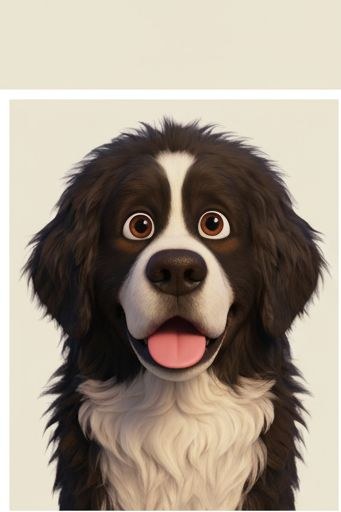
If your dog is big, thick-coated, healthy, and moving, the cold you can comfortably walk in is usually cold they can handle too.
When it’s worth watching
This is where the generic advice falls apart. The same 30°F morning that a Newfoundland shrugs off can be a real problem for the dog next to them. Watch more closely when your dog checks any of these boxes.
- Small and toy breeds lose heat fast. A Chihuahua, Yorkshire Terrier, or Pomeranian has a high surface-area-to-body-mass ratio — more skin to lose heat through, less body to hold it. Little dogs feel cold long before big ones do. (A Pomeranian’s fluffy coat helps; a Chihuahua’s does not.)
- Thin, single coats offer little insulation. Boxers, Greyhounds, and other short-haired breeds, plus lean-bodied dogs, have almost no built-in defense. They can be cold indoors, let alone out in a freeze.
- Puppies and seniors regulate temperature poorly. Very young and older dogs lose heat faster and recover more slowly. If you’re unsure where your dog sits on that curve, our size-aware dog age calculator and our guide to when a dog becomes a senior can help you judge.
- Health conditions change the math. Arthritis stiffens in the cold, and heart disease, diabetes, kidney disease, or hormonal disorders all impair a dog’s ability to hold body heat. A sick dog’s “too cold” is warmer than a healthy one’s.
- Wind and wet lower the real number. Factor in wind chill and precipitation. A calm 34°F and a windy, sleeting 34°F are not the same walk.

The tell is your dog’s own behavior. Shivering, tucking the tail, lifting or favoring paws, slowing down, whining, or turning to head home are all your dog saying I’ve had enough. Trust it — these signals matter more than any chart.
Because the honest answer depends on your dog’s exact breed, size, age, and health, this is a good question to run past Pawsho’s breed-aware Ask screen rather than a generic search result.

Cold isn’t one number — it’s your dog’s number. Size, coat, age, and health decide when a crisp walk becomes a real risk.
How cold is too cold to walk your dog?
A practical way to read the thermometer, adjusted for your dog:
- Above 45°F (7°C): Comfortable for almost all dogs. Walk normally.
- 32–45°F (0–7°C): Fine for most, but small, thin-coated, young, senior, or sick dogs benefit from a coat and shorter outings.
- 20–32°F (-7–0°C): Vulnerable dogs need protection and brief walks. Big double-coated dogs are usually still fine, but watch the paws.
- Below 20°F (-7°C): Potentially dangerous for any dog. Keep every outing short — a quick bathroom break, not a stroll — and skip it entirely for tiny, elderly, or unwell dogs.
A few things that shift those bands earlier:
- Wind and wet knock every threshold up by several degrees of felt cold.
- Salt and ice melt irritate and can crack paw pads; rinse or wipe paws after winter walks, and consider booties or paw balm.
- Time matters as much as temperature. How long a dog can safely stay outside shrinks as the number drops — a hardy dog might handle 20°F for a short play session but not an hour of standing around.

When to call the vet
Cold-weather emergencies are real. Get help if you see signs of hypothermia or frostbite:
- Violent or persistent shivering that doesn’t stop when your dog warms up.
- Lethargy, weakness, or stumbling — a dog that seems dazed, slow, or uncoordinated after cold exposure.
- Pale, gray, or bluish gums, or cold gums and extremities.
- Skin that’s pale, hard, or gray on ears, tail, or paw tips, especially if it later turns red, swollen, or blistered — possible frostbite.
- Whining, stiffness, or refusing to bear weight on a paw after a walk.
- Collapse or unresponsiveness — a true emergency; warm your dog gradually with blankets and get to a vet immediately.
When in doubt, warm your dog slowly (blankets, a warm — not hot — room) and call your vet or an emergency clinic. Frostbite and hypothermia can look mild at first and worsen over hours.
Frequently asked questions
How cold is too cold for a small dog?
Small and toy breeds feel cold much sooner than big ones. For a Chihuahua, Yorkshire Terrier, or similar, anything below about 40°F (4°C) warrants a coat and shorter walks, and below 32°F (0°C) they should be outside only briefly and dressed. Watch for shivering and paw-lifting — small dogs signal discomfort fast.
Can my dog stay outside in the cold all day?
No dog should be left outside unattended for long stretches in freezing weather, even hardy breeds. Even a cold-loving Newfoundland needs access to shelter, dry bedding, and unfrozen water — and no small, thin-coated, young, senior, or sick dog should be out in the cold for extended periods at all. Bring them in.
Do dogs need coats and boots in winter?
It depends on the dog. Thin-coated, small, young, senior, and sick dogs genuinely benefit from a well-fitting coat below freezing. Boots help any dog on salted or icy surfaces that irritate paw pads. Thick double-coated breeds usually don’t need a coat, and forcing one on them can overheat them — read your individual dog.
How can I tell if my dog is too cold?
Your dog will tell you: shivering, tucking the tail, lifting or favoring paws, slowing down, whining, hunching, or turning toward home. These behavioral cues are more reliable than any temperature chart. If you see them, head inside and warm your dog up.
Are puppies and senior dogs more sensitive to cold?
Yes. Both regulate body temperature less efficiently — puppies haven’t developed the ability yet, and seniors often have thinner coats, less muscle, and conditions like arthritis that the cold worsens. Treat them as more vulnerable than a healthy adult of the same breed, and keep their cold-weather outings shorter.
Staying one step ahead of winter
The right answer to “how cold is too cold” isn’t on a thermometer — it’s in your dog’s breed, size, age, and the way they move at the door. Learn your dog’s threshold now, and you’ll know exactly when to grab a coat, shorten the walk, or stay in altogether — one step ahead of the cold, all winter long.