How to Stop Your Dog Pulling on the Leash
A calm, reward-based method to stop leash pulling — the stop-and-go rule, check-ins, the right gear, and how breed and energy change the plan.
Your arm is stretched, your dog is coughing against the collar, and a walk that should be the best part of the day feels like a tug-of-war. If you’ve been dragged toward every lamppost and squirrel, you’re not doing anything wrong — your dog just hasn’t learned that a loose lead is what gets them where they want to go.
The good news: pulling is one of the most fixable things in dog training, because you already hold the reward your dog wants most — forward motion. This guide gives you a simple, reward-based method you can start indoors today, then build up to real streets.
You’ll learn why dogs pull, the exact stop-and-go steps, how to practice so it sticks, and how to troubleshoot when your dog seems to have forgotten everything overnight.
Why your dog pulls
Pulling isn’t defiance. From your dog’s point of view, it works. They lunge toward a smell, the lead tightens, and — because you keep walking — they get to the smell. You’ve accidentally taught them that a tight lead moves the world closer.
There’s also a physical reflex at play: when a dog feels pressure on their chest or neck, they instinctively lean into it. So the harder you pull back, the harder they pull forward.
Breed and energy shape the why:
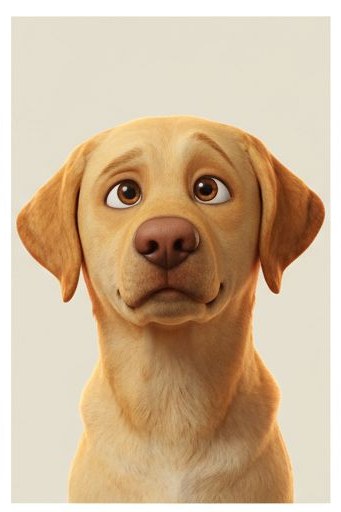
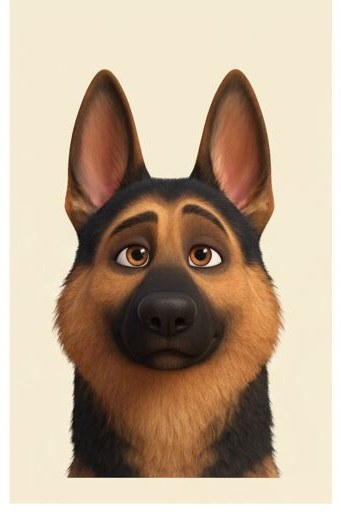
- High-drive working and sporting breeds — a Labrador, German Shepherd or Boxer has energy and strength to burn. Under-exercised, they’ll haul you down the street just to move faster.
- Scent-driven breeds — a Beagle’s nose is the boss. The pull is the nose following a trail your dog can’t ignore.
- Small but mighty dogs — a Chihuahua or Pomeranian pulls for the same reasons; they’re just easier to physically out-muscle, which means owners often never teach the skill.
- Puppies — they’ve simply never learned that walking beside you is a thing. Everything is new and thrilling.
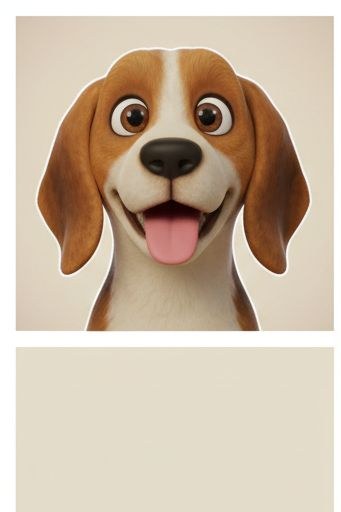
Knowing your dog’s reason doesn’t change the method much, but it changes your patience and your exercise plan — more on that below.
Before you start
Get these sorted first:
- The right equipment. A well-fitted flat collar or a front-clip harness (the lead clips at the chest) gives you gentle control without hurting your dog. Skip prong, choke and shock collars entirely — they suppress behavior through discomfort and can make anxious or reactive dogs worse.
- High-value treats. Small, soft, pea-sized things your dog rarely gets otherwise. You’ll hand out a lot, so keep them tiny.
- A quiet, boring space to begin. Your hallway or living room. No distractions means easy wins.
- A short, relaxed lead — not retractable. You want a consistent length your dog can learn to read.
The one rule that makes all of this work: everyone who walks the dog uses the same rules. If you stop when the lead tightens but your partner lets the dog drag them to the park, your dog learns pulling still works sometimes — which is the hardest lesson to unteach.
The method, step by step
The whole system is one idea your dog can understand: a tight lead stops the walk; a loose lead keeps it going.
- Start indoors. Clip on the lead in a quiet room. Stand still and wait for your dog to be near you with slack in the lead.
- Mark and reward the position you want. The moment your dog is beside you with a loose lead, say a bright “yes” and give a treat right at your leg, by your side. You’re paying them for being in the spot you want them.
- Take a few steps. Walk forward. Every two or three steps with a loose lead, mark “yes” and reward at your side again. You’re building the habit of walking with you.
- When the lead goes tight, stop. Freeze like a lamppost. Say nothing. Don’t yank. Just stop moving — the walk pauses.
- Wait for slack, then go. The instant your dog eases off, backs up, or looks at you and the lead loosens, say “yes” and walk on. Forward motion is the reward for a loud, clear lesson: tight lead = we stop, loose lead = we go.
- Reward check-ins. Any time your dog glances up at you on their own, mark it and treat. A dog who checks in with you is a dog who isn’t hitting the end of the lead.
Once the living room is easy, add stop-and-go and direction changes on your walks: when your dog surges ahead, calmly turn and walk the other way. They learn to keep an eye on you because you’ve become a little unpredictable — and staying near you pays.
How to practice
Short and frequent beats long and frustrating.
- Keep sessions to 5–10 minutes. Especially with puppies, stop while your dog is still winning.
- Raise difficulty one notch at a time. Master the hallway, then the garden, then a quiet sidewalk, then a busier street. Each new place is harder, so drop your expectations and reward more generously when you move up.
- Change only one thing at a time — distance, distraction, or duration. Don’t add a park full of dogs and a longer walk on the same day.
- Expect a dip in new places. A dog who walks perfectly in the kitchen may pull hard on their first street outing. That’s normal — the environment got harder, not your dog worse.
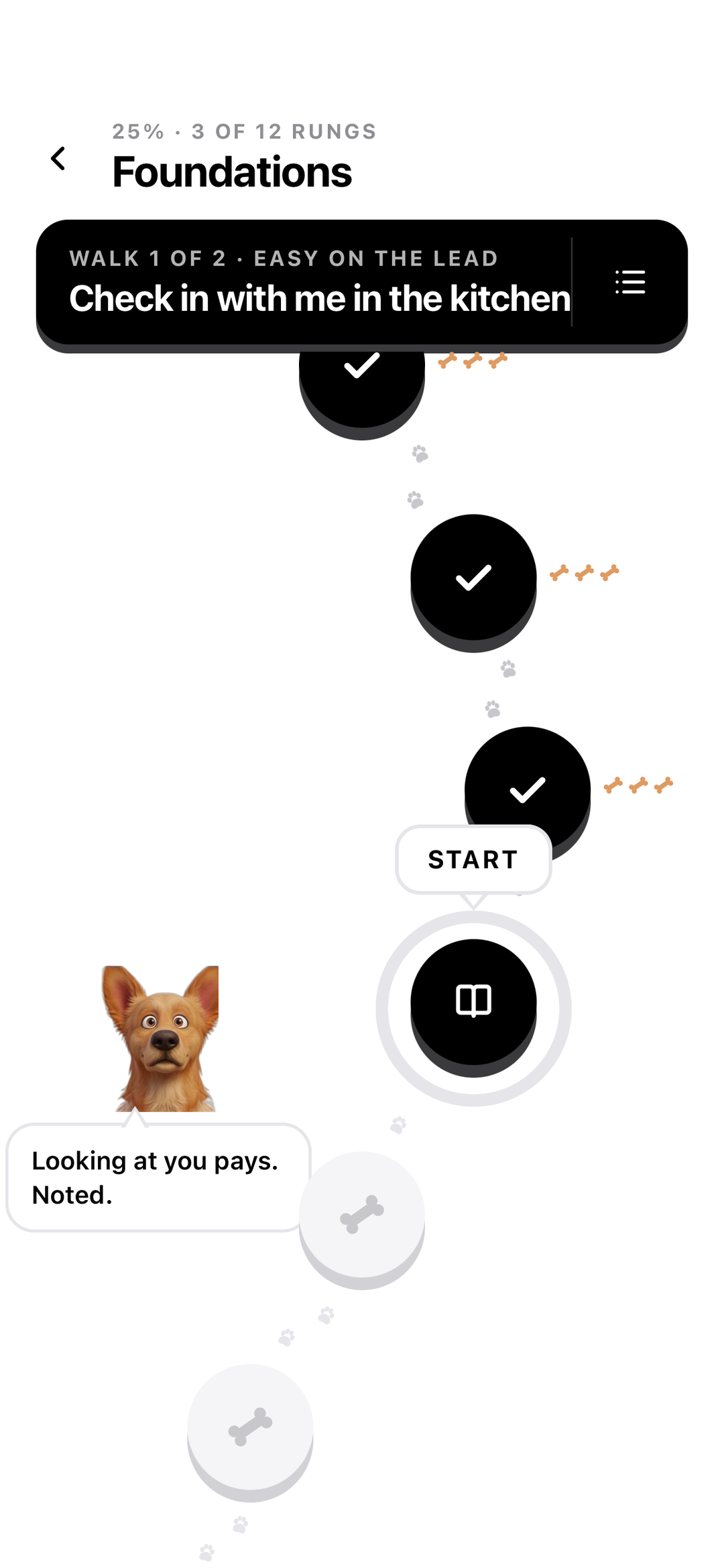
Building the skill in this order — quiet room first, distractions last — is exactly how a structured plan keeps you from skipping the foundations. Pawsho builds the plan around your dog: name the problem (“pulls on walks”), and it turns your dog’s breed, age and what they already know into step-by-step sessions, with when to reward baked in. Tell it what happened on today’s walk and it adjusts tomorrow’s step.
When it isn’t working
Most stalls come down to a handful of fixable mistakes:
- You’re walking through the tight lead. If you take even one step while the lead is taut, you’ve rewarded the pull. Be a strict lamppost.
- Your treats aren’t exciting enough. If your dog would rather sniff than take the treat, your reward is losing. Upgrade to something better outdoors.
- You’ve raised difficulty too fast. Back up a level. If the street is chaos, practice in the garden again for a few days.
- The walk is your dog’s only outlet. An under-exercised, high-energy dog physically cannot concentrate. Add sniffing games, fetch or play before training walks so the walk isn’t a pressure valve.
- Inconsistency at home. One family member letting the pulling work resets everyone else’s progress. Get the whole house on the same page.
A loose lead should be the fast lane and a tight lead the brakes. Your dog will choose the fast lane every time — once you make the rule crystal clear.
Breed, age and size notes
- Puppies learn quickly but have short attention spans. Tiny sessions, lots of rewards, and don’t expect polish before adulthood.
- High-drive breeds (German Shepherd, Boxer, Labrador) need their exercise and mental work topped up, or no amount of lead technique will hold. A tired dog trains better.
- Scent hounds like Beagles benefit from scheduled “go sniff” breaks as a reward. Let the nose have its moment on your terms, and it stops fighting you for it.
- Small breeds are easy to haul along, so owners often skip the training. Teach them the same way — a pulling Pomeranian is still practicing a habit you’ll want to change.
- Senior dogs who suddenly start pulling or lunging may be uncomfortable or losing a sense; a change in an older dog is worth a look. See our guide on when a dog becomes a senior, and check their real age on the dog age calculator.
When to get a professional
If your dog lunges, barks or freezes at other dogs, people or traffic, that’s reactivity or fear, not ordinary pulling — and it needs a qualified, reward-based trainer, not more lead pressure. Likewise, a sudden change in how your dog walks can point to pain; a vet visit rules that out first. There’s no shame in getting help early. It’s the fastest route back to easy walks.
Frequently asked questions
How long does it take to stop a dog pulling?
It varies with your dog’s age, energy, breed and how consistent everyone is. Some dogs loosen up within a couple of weeks of daily short sessions; others take a couple of months to hold it on busy streets. Progress isn’t a straight line — expect good days and setbacks, and keep rewarding the loose lead.
Should I use a harness or a collar to stop pulling?
A well-fitted flat collar or a front-clip harness (lead clips at the chest) are both fine and gentle. The front-clip harness gives you a little more steering on a strong dog. Avoid prong, choke and shock collars — they rely on discomfort and can worsen fear or reactivity.
Why does my dog only pull sometimes?
Because pulling still works sometimes. If anyone ever lets a tight lead move forward — even occasionally — your dog keeps betting on it. Total consistency across everyone who walks the dog is what finally settles it.
Can I train an older dog to stop pulling?
Yes. Adult and senior dogs learn loose-lead walking well with the same method. If an older dog suddenly starts pulling or reacting when they never did before, have your vet check for pain or vision changes first.
Is there an app that walks me through it?
Yes — a good training app breaks the skill into daily steps and adjusts as your dog progresses. Pawsho does this around your specific dog, and if you’d like to compare options, see our roundup of the best dog training apps of 2026.
Loose-lead walking isn’t a trick you install once — it’s a habit you keep paying for, in tiny rewards, until it becomes the way your dog moves through the world. Nail the foundations now and you’ll be a step ahead of every squirrel, lamppost and open field for years of easy walks to come.