Are Poinsettias Poisonous to Dogs? The Real Christmas Plant Risks
Poinsettias are only mildly toxic to dogs. Here's what actually happens if your dog nibbles one — and which holiday plants are genuinely worse.
Your dog just took a bite out of the poinsettia by the front door, and your stomach drops — you’ve heard these plants are deadly. Before you panic and call the emergency line, take a breath.
Here’s the truth that gets lost every December: poinsettias are only mildly toxic to dogs. The plant’s fearsome reputation is largely a myth. A curious nibble is far more likely to earn your dog an upset stomach than a trip to the ER.
That doesn’t mean holiday greenery is harmless. Some of the plants sitting on your mantel this month are genuinely dangerous — just not the one everyone worries about. This guide walks you through what a poinsettia actually does, which dogs are most likely to get into trouble, and the festive plants that deserve your real attention.
What’s actually going on with poinsettias
Poinsettias (Euphorbia pulcherrima) contain a milky white sap in their leaves and stems. That sap has irritant compounds called diterpenoid euphorbol esters — a mouthful that mostly means “mildly annoying,” not “life-threatening.”
When a dog chews a poinsettia, the sap irritates the tissues it touches. You might see:
- Drooling or licking the lips — the sap tastes bitter and stings a little.
- Mild vomiting — the stomach’s way of rejecting something unpleasant.
- A bit of diarrhea — usually short-lived.
- Redness or irritation around the mouth, or itchy skin where the sap touched.
Most of these signs are mild and clear up on their own. The bitter, milky sap is actually self-limiting — it tastes bad enough that very few dogs eat a large amount. A dog would have to consume an enormous quantity of leaves to face anything serious, and that almost never happens because the plant is so unpalatable.
The poinsettia’s deadly reputation is one of the most persistent myths in dog care. It’s mildly irritating, not poisonous — an upset tummy, not an emergency.
That said, “mild” is not the same as “nothing.” A small dog, a puppy, or a dog who already has a sensitive stomach can be knocked flat by a rough day of vomiting and diarrhea. Context matters, which brings us to the dogs most likely to feel it.

Which dogs are most likely to get into trouble
The plant is the same for every dog, but the impact isn’t. Breed, size, and temperament all change the picture.
- Small breeds feel it harder. A few chewed leaves are a smaller dose for a Great Dane than for a Chihuahua or Yorkshire Terrier. In a toy breed, even mild vomiting and diarrhea can lead to dehydration faster, simply because there’s less body mass to buffer the fluid loss.
- Puppies and adolescents explore with their mouths. A teething Labrador or a bored Boxer puppy is exactly the dog who’ll test whether a poinsettia leaf is worth eating. They’re also less able to shrug off a stomach upset.
- Scent hounds and busy chewers investigate everything. Beagles, Cocker Spaniels, and other nose-first dogs are drawn to anything new in the house. A brightly colored plant at nose height is an invitation.
- Dogs with sensitive stomachs or existing conditions. If your dog already deals with pancreatitis, inflammatory bowel issues, or is a senior with less reserve, any GI upset is worth taking more seriously. If you’re not sure whether your dog counts as a senior yet, our size-aware dog age calculator places them in the right life stage, and the breed-and-size senior guide explains what that stage changes.

The holiday plants that are actually dangerous
Here’s the part worth pinning to your fridge. While everyone frets over poinsettias, three common festive plants are far more of a threat to your dog:
- Mistletoe. American mistletoe can cause vomiting, diarrhea, a drop in blood pressure, difficulty breathing, and in large amounts, collapse. This is a genuine emergency plant, not a tummy-ache plant.
- Holly. Those glossy leaves and bright berries contain compounds that cause intense drooling, vomiting, and diarrhea. The spiny leaves can also physically injure the mouth and gut. Dogs often paw at their mouths after chewing holly.
- Lilies. Less of a Christmas staple, but they turn up in festive bouquets — and while lilies are most notorious for being deadly to cats, several types can still cause stomach upset in dogs, and the bulbs of some varieties are more toxic. Keep any bouquet with lilies well out of reach.
If you’re going to worry about one plant this December, make it mistletoe or holly — not the poinsettia on your windowsill. This is the same “the scary-sounding thing isn’t always the dangerous thing” logic behind our guide on whether acorns are toxic to dogs.
What you can do at home
If your dog has had a nibble of poinsettia and seems otherwise fine, most of the job is gentle support and watchful waiting.
- Remove the plant and clear the scene. Take away any chewed leaves and move the plant somewhere genuinely out of reach — higher than you think a determined dog can climb.
- Rinse the mouth and paws. If there’s sap around your dog’s muzzle or on their paws, wipe it away with a damp cloth to stop further irritation and to keep them from licking more of it off.
- Offer fresh water. Small, frequent sips help if they’ve vomited. Don’t force it.
- Go easy on food for a few hours. If your dog’s stomach is unsettled, a short rest from food followed by a small, bland meal is kinder than a full bowl of kibble.
- Watch, don’t medicate. Do not give any human anti-nausea or anti-diarrhea medication, and never try to make your dog vomit unless a vet has told you to. Simply keep an eye on how they’re doing over the next several hours.
The good news: for a mild poinsettia encounter, that’s usually the whole treatment plan. Most dogs are back to normal within a day.
When to see the vet
Home watching is fine for a mild nibble. Call your vet — or an emergency clinic — if you see any of these red flags:
- Repeated or persistent vomiting or diarrhea that doesn’t settle within a few hours, or contains blood.
- Signs of dehydration — tacky gums, sunken eyes, lethargy — especially in a small dog or puppy.
- Refusing water, or unable to keep any liquid down.
- Swelling around the mouth, muzzle, or face, or obvious difficulty swallowing.
- Trouble breathing, weakness, collapse, or a racing heart — these point away from poinsettia and toward a more serious plant like mistletoe.
- You know or suspect your dog ate mistletoe, holly, or lilies — don’t wait for symptoms with these.
- Any large quantity eaten, or any doubt at all in a puppy, senior, or dog with an existing health condition.
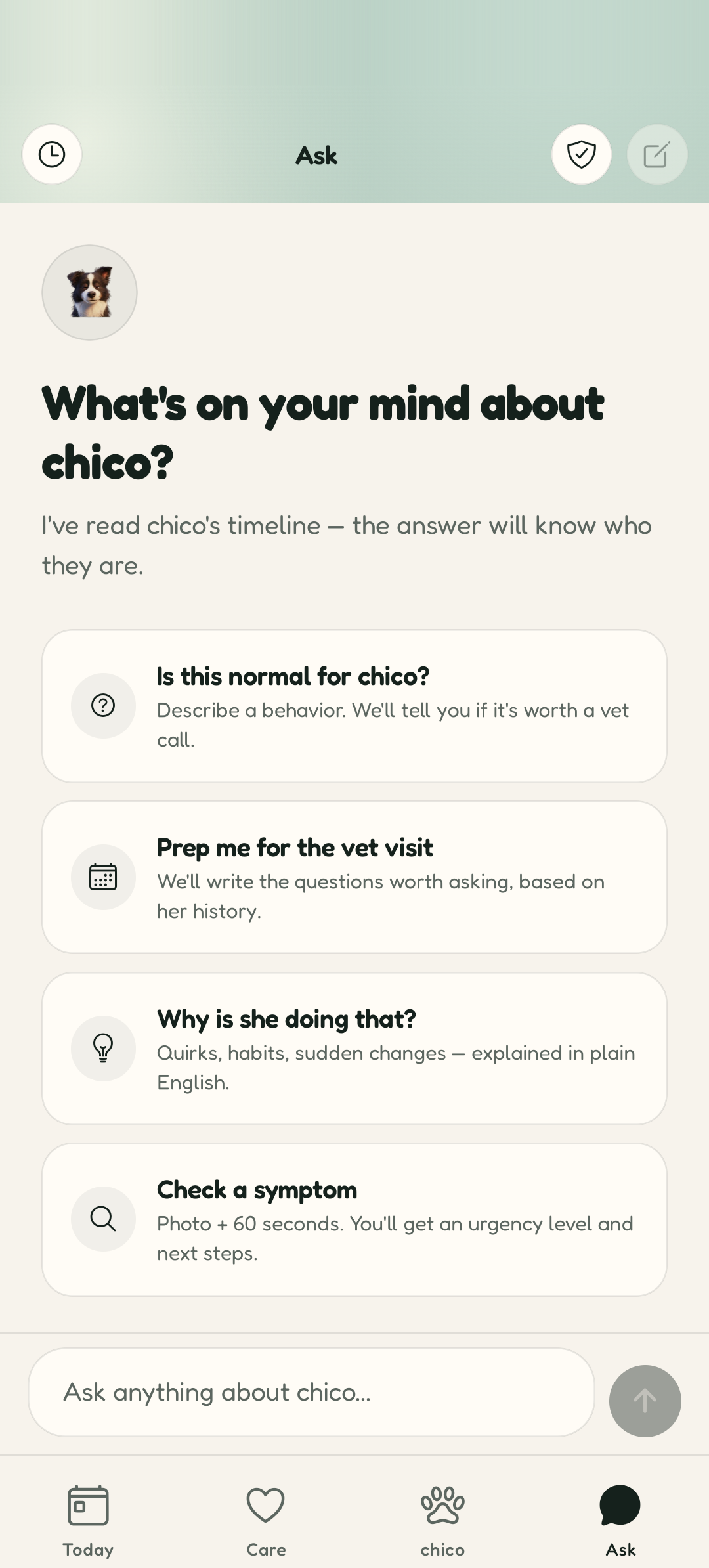
When you’re standing in your living room at 9pm unsure whether “he seems a bit off” crosses the line, it helps to have an answer tuned to your actual dog rather than a generic checklist.
For a related situation you might face this season, our guide on what to do when your dog eats something it shouldn’t at the holidays walks through the same calm-triage approach.
Frequently asked questions
Can a poinsettia kill my dog?
It’s extremely unlikely. Poinsettias are classified as mildly toxic — the sap causes mouth irritation and stomach upset, not organ damage or death. A dog would have to eat an implausibly large amount of a plant they find bitter and unpleasant. The real danger plants at Christmas are mistletoe and holly, not poinsettias.
How much poinsettia is dangerous for a dog?
There’s no precise toxic dose because serious poisoning essentially doesn’t happen at realistic quantities. A few chewed leaves typically cause nothing worse than drooling and maybe a bout of vomiting. Because the sap tastes bad, most dogs stop long before they eat enough to matter — though a small dog or puppy may still feel a mild nibble more than a large adult.
What are the symptoms if my dog eats a poinsettia?
Look for drooling, licking the lips, mild vomiting, some diarrhea, and possibly redness or itchiness around the mouth or on skin that touched the sap. These signs are usually mild and pass within a day. Anything more dramatic — persistent vomiting, weakness, breathing trouble — suggests something else is going on and warrants a call to your vet.
Which Christmas plants are most poisonous to dogs?
Mistletoe and holly are the two to watch. Mistletoe can cause vomiting, low blood pressure, breathing trouble, and collapse; holly causes heavy drooling and GI upset, and its spiny leaves can injure the mouth. Lilies in festive bouquets are another hazard. Poinsettia, despite its reputation, ranks well below all of these.
My dog seems fine after chewing a leaf — do I still need to worry?
If your dog is bright, eating, drinking, and acting normally, a small poinsettia nibble usually needs nothing more than watching. Keep the plant out of reach so there’s no repeat, and monitor for the red flags above over the next several hours. When in doubt — especially with a toy breed, puppy, or senior — a quick vet call costs nothing but peace of mind.
Staying one step ahead this season
The holidays fill your home with new smells, new plants, and new temptations at exactly nose height. Knowing which ones are truly dangerous — and which, like the poinsettia, are more bark than bite — lets you decorate without hovering. Match that knowledge to your own dog’s breed, size, and stage, and you’ll spend December enjoying the season instead of second-guessing every sniff.